
Among the Sensex firms, Power Grid, Kotak Mahindra Bank, Tech Mahindra, Bajaj Finserv, ITC, Bharti Airtel, Nestle, NTPC, Bajaj Finance, Reliance Industries, Infosys and HDFC Bank were the major gainers.

Yes Bank was the top gainer in the Sensex pack, followed by SBI. ICICI Bank, Sun Pharma, TCS, HCL Tech, Maruti, Bharti Airtel and Infosys too rose up to 3.18 per cent.

Pre-initial public offering (IPO) allotments have lost favour amid buoyancy in the market and increase in average float size this year. After hitting a record high in 2023, they have come to a halt, with just three companies opting for such placements totalling Rs 235 crore. This compares to eight deals worth Rs 648 crore during the same period of the previous year.

SBI was the top gainer in the Sensex pack, rallying over 10 per cent, followed by Kotak Bank, Dr Reddy's, UltraTech Cement, ITC and HDFC Bank. On the other hand, Axis Bank, Bharti Airtel, ICICI Bank, Maruti and HCL Tech were among the laggards.

Investor wealth has jumped by over Rs 12.31 lakh crore in three days, taking the market capitalisation of all BSE-listed companies to a record Rs 198.43 lakh crore on Wednesday as equities continued their Budget-driven rally. The BSE benchmark Sensex closed above the historic 50,000 mark for the first time ever on Wednesday. The 30-share benchmark closed with a gain of 458.03 points or 0.92 per cent at 50,255.75. During the day, it zoomed 728.67 points to its lifetime high of 50,526.39. In three trading days, the benchmark has gained 3,969.98 points or 8.57 per cent.
Hero MotoCorp was the top gainer in the Sensex pack, rallying 2.15 per cent, followed by ITC, M&M, Tech Mahindra, Nestle, Axis Bank, NTPC, HDFC and TCS.

Among the 30 Sensex companies, Larsen & Toubro, Power Grid, NTPC, State Bank of India, Reliance Industries and HDFC Bank were the biggest laggards. Sun Pharma and Nestle were the only gainers.

On the Sensex chart, SBI was the top gainer, rallying around 4 per cent, followed by Bharti Airtel, Reliance Industries, HDFC Bank, ITC, Axis Bank and NTPC. NSE Nifty advanced 78.70 points to a fresh closing peak of 14,563.45.

Among Sensex shares, Tech Mahindra, Infosys, Asian Paints, ICICI Bank, Kotak Mahindra Bank, Titan, IndusInd Bank and Bajaj Finserv were the major laggards. Nestle, Tata Steel, Mahindra & Mahindra, Bajaj Finance, HDFC Bank and Tata Consultancy Services were among the gainers.

In the Sensex pack, major gainers were Tech Mahindra, Wipro, Bajaj Finserv, Infosys, SBI and PowerGrid. NSE Nifty rallied 237.90 points to 17,339

Bajaj Finserv was the top gainer in the Sensex pack, jumping nearly 5 per cent, followed by Bajaj Finance, Infosys, M&M, Maruti and HDFC. NSE Nifty surged 93 points to 15,301.45.
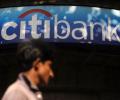
US bank Citigroup on Wednesday announced the sale of its Indian consumer banking businesses, including credit cards, retail banking, wealth management and consumer loans, to private lender Axis Bank for Rs 12,325 crore, as part of its plans to exit retail operations in 13 markets.

After outperforming the broader market and their public sector peers for the better part of the post-Lehman period, private sector banks - such as HDFC Bank, ICICI Bank, Axis Bank, and Kotak Mahindra Bank - are now underperforming. Last week, the Nifty Private Bank index was up just 6 per cent year-to-date in the calendar year 2021, against nearly 13 per cent rally in the Bank Nifty and a 15 per cent rise in the benchmark Nifty50. Public sector (PSU) banks, such as State bank of India, Bank of Baroda, and Punjab National Bank, are now rally leaders and outperforming the broader market. The Nifty PSU Bank index was up 42 per cent since the beginning of this calendar year. But on a longer term, the Nifty Private Bank index is up 101 per cent since March 2016, against a 118 per cent rally in the Bank Nifty and just 2 per cent rise in the Nifty PSU Bank index in the period.

In the Sensex pack, Axis Bank, HCL Tech, M&M, TCS, HDFC, Kotak Bank, PowerGrid, Hero MotoCorp and Vedanta were among the top gainers, rising up to 1.91 per cent. Sun Pharma was the biggest loser, cracking 5.78 per cent.
From the 30-share pack, Titan, Tech Mahindra, Maruti Suzuki India, Wipro, Nestle India, TCS, Larsen & Toubro, HCL Technologies, Tata Steel and HDFC Bank were among the major laggards. NSE Nifty declined 69.75 points to settle at 17,153.

Tata Motors, Power Grid, Larsen and Toubro, Kotak Mahindra Bank, NTPC, Titan and UltraTech Cement were the other major gainers. ITC, Infosys, JSW Steel, Tech Mahindra and Tata Consultancy Services were the laggards.

According to experts, major stocks are in the process of correcting to their support levels ahead of the Union Budget.
On the Sensex chart, Yes Bank was the worst hit with 7.81 per cent decline. It was followed by Tata Steel, Vedanta, M&M, IndusInd Bank and Tata Motors -- shedding as much as 5.07 per cent.
If the earnings in the first quarter of the current financial year are an indication, most banks, particularly those majority-owned by the government, have fared well, reveals Tamal Bandyopadhyay.
Among other gainers, Sun Pharma rallied 5.73 per cent, IndusInd Bank 5.50 per cent and Yes Bank jumped 2.65 per cent.
Top gainers in the Sensex pack included Yes Bank, Sun Pharma, IndusInd Bank, Tata Steel, HUL, Vedanta, Tata Motors, ICICI Bank, ITC, HDFC and Bajaj Auto, that rose up to 3.75 per cent.

Employees of public sector banks (PSBs) on Thursday went on two-day strike against the move to privatise public sector banks impacting normal banking operation across the country. Many branches across different parts of the country were shut as the United Forum of Bank Union (UFBU), an umbrella body of nine bank unions including All India Bank Officers' Confederation (AIBOC), All India Bank Employees Association (AIBEA) and National Organisation of Bank Workers (NOBW) had given two day strike call. As a result, services such as deposits and withdrawal at branches, cheque clearance and loan approvals might be affected due to the strike. But ATMs are expected to function as usual.

Low home loan rates by banks could put large players in an advantageous position over smaller non-bank players, believe analysts.

Nestle was the top loser in the Sensex pack, shedding over 2 per cent, followed by Maruti, Bajaj Finserv, Bajaj Auto, TCS and L&T. NSE Nifty slipped 8.60 points to 17,353.50.

Top gainers of the session included Bajaj Auto, Kotak Bank, M&M, Vedanta, IndusInd Bank, Asian Paints, HDFC Bank, Reliance Industries, HUL, HDFC, ITC, Tata Steel and Tata Motors, rallying up to 5 per cent.

Axis Bank, Tata Steel, Kotak Mahindra Bank, ICICI Bank, Tata Motors, and Bajaj Finance were among the other major laggards. Tata Consultancy Services, Reliance Industries, UltraTech Cement, Infosys, HCL Technologies, and Tech Mahindra were among the gainers.

Other gainers included Kotak Bank, HCL Tech, ONGC, Asian Paints, Vedanta, HDFC Bank, Bajaj Finance, Maruti and TCS, gaining up to 1.41 per cent. Sun Pharma was the top loser, cracking 8.58 per cent.

In the Sensex pack, Axis Bank, Tata Motors, Infosys, Kotak Bank, HDFC Bank, RIL, Bajaj Auto, SBI, HUL, Tata Steel, Vedanta, HFDC, TCS, ITC and Sun Pharma jumped up to 4.64 per cent.

'Investing abroad helps mitigate currency risk for foreign-currency denominated goals, such as children's higher education and international travel.'
In the Sensex pack, HCLTech rose the maximum by 3.12 per cent, followed by ITC which gained 2.73 per cent and M&M went up 2.61 per cent. TCS climbed 2.44 per cent. Tech Mahindra, Wipro, L&T and Maruti were among the other major gainers.
Key stock indices Sensex and Nifty declined over 1 per cent at close on Monday due to heavy selling in banking, auto and FMCG shares amid weak global market trends and continued foreign fund outflows. Reversing its previous session's gains, benchmark BSE Sensex tumbled 638.11 points or 1.11 per cent to settle at 56,788.81. During the day, it tanked 743.52 points or 1.29 per cent to 56,683.40. The broader NSE Nifty fell by 207 points or 1.21 per cent to end at 16,887.35 as 42 of its constituents declined.

Bajaj Finance was the top gainer in the Sensex pack, rising around 4 per cent, followed by Maruti, SBI, Bajaj Finserv, Sun Pharma and Asian Paints. NSE Nifty rallied 293.05 points to 17,469.75.
Reliance Industries was the top gainer in the Sensex pack, rallying nearly 4 per cent, followed by Infosys, Tech Mahindra, HCL Tech, TCS and L&T.
rediffGURU Ramalingam Kalirajan answers your personal finance queries.
'The concern that the bad bank may create a moral hazard for the system is extremely valid.'

Top losers in the Sensex pack included Sun Pharma, Vedanta, ONGC, TCS, HUL, ITC, NTPC, Asian Paints and Infosys, shedding up to 4.23 per cent.

Among the Sensex firms, Infosys, NTPC, Power Grid, Titan, ITC, Tech Mahindra, Hindustan Unilever, Axis Bank, Tata Consultancy Services, Bajaj Finserv, Reliance Industries and UltraTech Cement were the biggest gainers. In contrast, IndusInd Bank, Kotak Mahindra Bank, Mahindra & Mahindra, JSW Steel, HDFC Bank and Maruti were the major laggards.

From the Sensex basket, Tata Consultancy Services, Nestle, Bajaj Finserv, Wipro, Maruti Suzuki India, Reliance Industries, Larsen & Toubro and NTPC were the major laggards. Tata Steel, Bajaj Finance, JSW Steel and Bharti Airtel were among the gainers.

Among the Sensex firms, IndusInd Bank, Maruti, Titan, Reliance Industries, NTPC, Mahindra & Mahindra, Larsen & Toubro, Kotak Mahindra Bank and HDFC Bank were the major laggards. UltraTech Cement, JSW Steel, Axis Bank, Tata Consultancy Services, Wipro and ITC were the major gainers.

The current spurt in the stock market is on account of strong fundamentals and robust corporate earnings and retail investors can look for buying opportunities to accumulate quality stocks, experts said.
